The Earthquake in Purgatory and the Meeting with Statius
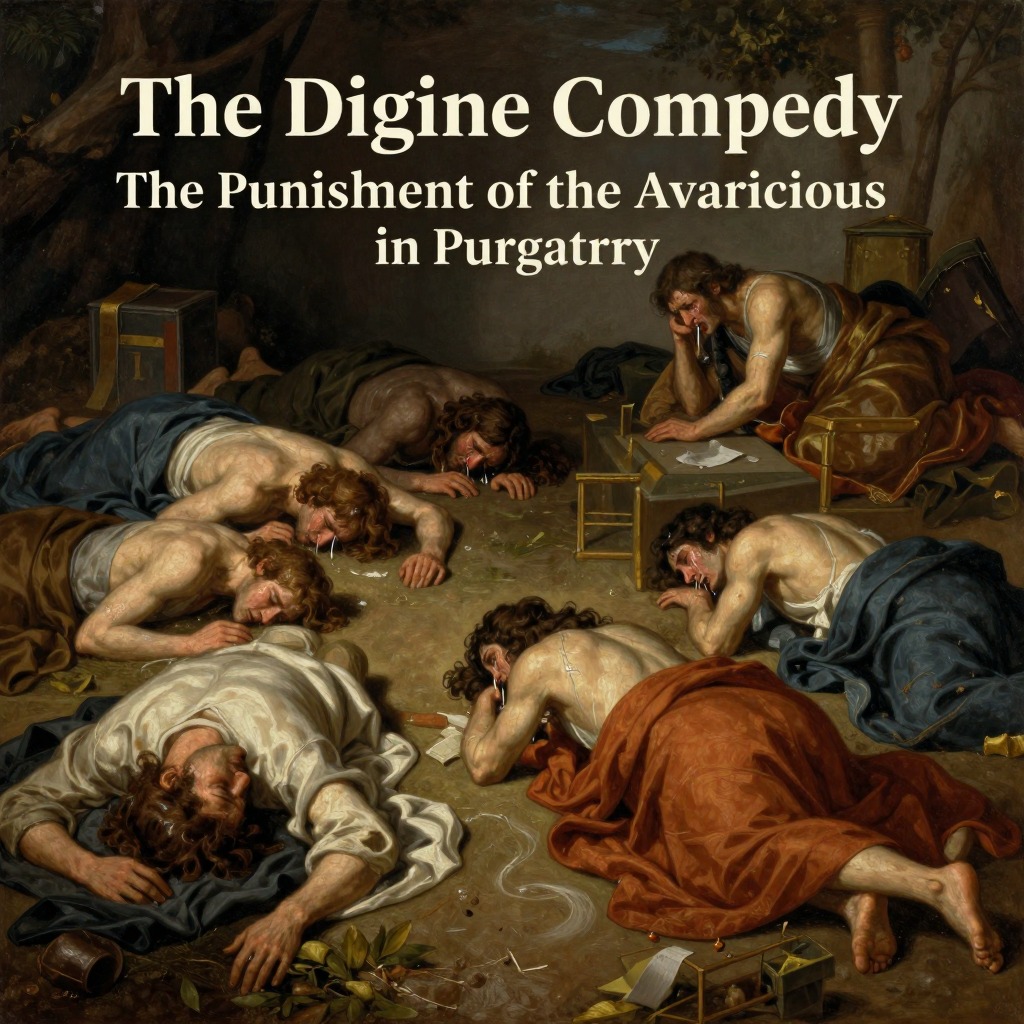
The Earthquake in Purgatory and the Meeting with Statius is the most dramatic supernatural event on the mountain of Purgatory, a sudden seismic rupture that breaks the penitential silence and reveals the mechanism by which a soul completes its purification. Occurring on the Fifth Terrace, where the avaricious and prodigal lie prostrate, the earthquake and the accompanying cry of "Gloria in excelsis Deo" from all the spirits announce that a soul has become pure and is now free to ascend. This event introduces the Roman poet Statius, who emerges from the crowd of penitents, explains the mountain's unique law of trembling, and joins Dante and Virgil as a third companion, transforming the pilgrim band and deepening the poem's meditation on grace, poetry, and salvation.
Causes and Background
The earthquake does not arise from natural forces—no wind, rain, hail, or vapour can reach above the three steps of Purgatory's gate. As Statius later explains, the mountain is free from every permutation of weather; only a spiritual cause can produce a tremor. The event is triggered when any soul "feels itself pure, so that it soars, or moves to mount aloft." Purity is proved solely by the will, which, "being wholly free to change its convent, takes by surprise the soul, and helps it fly." The will first wills well, but the desire permits not—divine justice with the self-same will that was there to sin sets the torment. The earthquake is thus the physical sign of a completed purgation, a moment when the soul's desire for God overcomes the lingering attachment to sin. Statius himself had been lying in his pain for "five hundred years and more" before feeling "a free volition for a better seat." The earthquake and the pious cry of the spirits are the external manifestation of this internal liberation.
What Happens
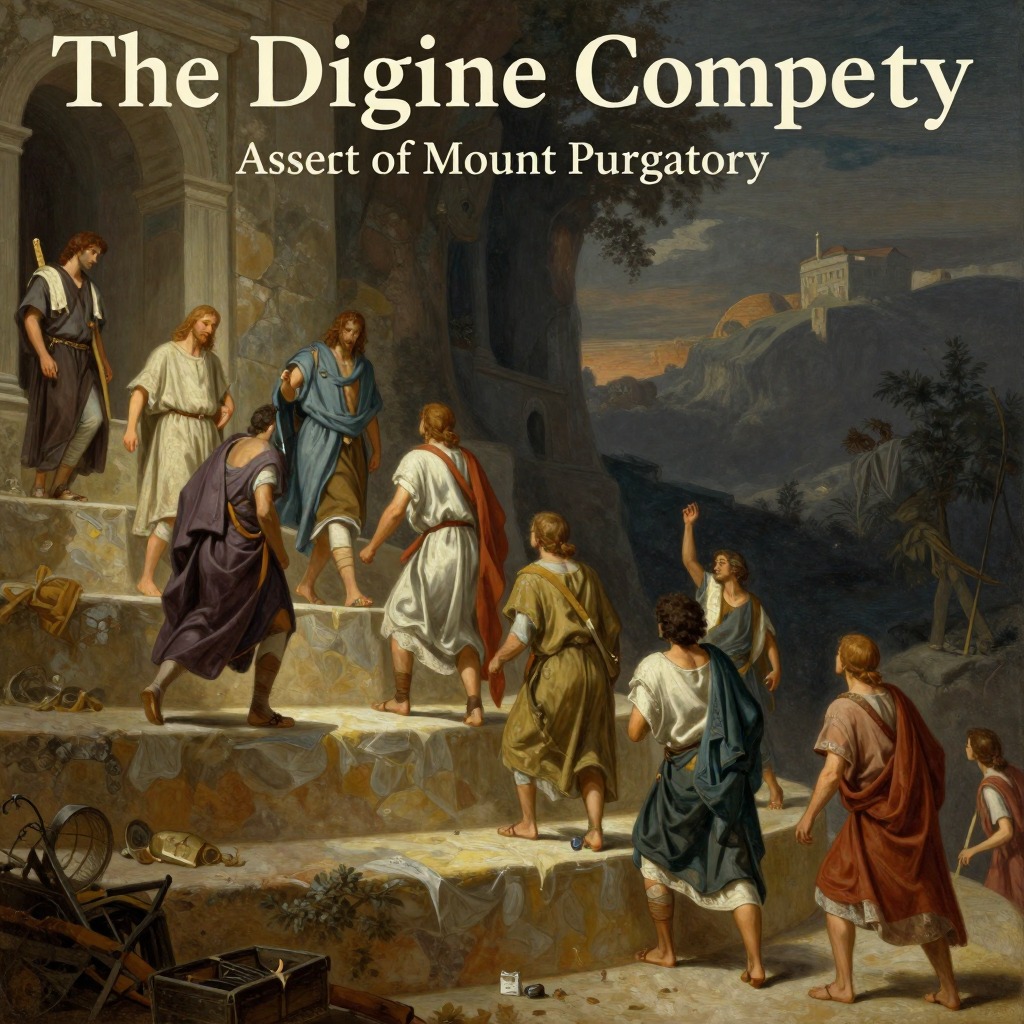
Dante, walking on the Fifth Terrace with Virgil, is suddenly seized by a chill as the mountain trembles "like something that is falling." The shock is so violent that it recalls the mythical trembling of Delos before Latona gave birth to Apollo and Diana. Then, from all sides, a cry arises: "Gloria in excelsis Deo." The sound is so overwhelming that Virgil draws Dante close, saying, "Fear not, while I am guiding thee." The pilgrims pause, immovable and in suspense, like the shepherds who first heard that song at Christ's birth, until the trembling ceases and the cry finishes. After the earthquake, the shades on the ground resume their accustomed plaint, and Dante, filled with a burning desire to understand, continues onward with Virgil. A shade then appears behind them, walking with the same speed, and greets them: "My brothers, may God give you peace!" Virgil responds with the appropriate countersign, and the shade—Statius—asks how they, if they are damned, have come so far up the mountain. Virgil explains that Dante is alive and that he himself has been sent from Hell to guide him, and then asks the very question that burns in Dante's mind: why the mountain shuddered and why all cried out.
Consequences and Aftermath
Statius's explanation of the earthquake establishes a central theological principle of Purgatory: the mountain trembles only when a soul is purified, and the cry is the spontaneous praise of the blessed for the soul's liberation. This event also introduces Statius as a permanent companion. He reveals that he is the poet of Thebes and Achilles, and that his conversion to Christianity was inspired by Virgil's own Fourth Eclogue. The meeting creates a profound poetic lineage: Statius, who learned from Virgil, now joins Virgil and Dante, and the three ascend together. The earthquake also serves as a narrative hinge, marking the transition from the lower terraces of Purgatory to the higher ones, and it deepens Dante's understanding of the mountain's spiritual physics. The event is immediately followed by the encounter with the tree of temperance and the entry into the Sixth Terrace, where the gluttonous are purified. The earthquake thus not only releases Statius but also signals a new phase in the journey, one in which the pilgrim's own purification is drawing nearer to completion.
Thematic Significance
The earthquake embodies the paradox of purgatorial justice: the same will that once sinned now freely chooses its own torment, and the moment of liberation is both a violent rupture and a joyful homecoming. It dramatizes the doctrine that grace perfects nature rather than destroying it—Statius's five centuries of waiting are not wasted but are the necessary ripening of a free will. The event also functions as a literary anagnorisis, a recognition scene in which the reader learns the true nature of Purgatory's order. The cry of "Gloria in excelsis Deo" echoes the angelic hymn at Christ's birth, linking the purification of a single soul to the cosmic event of the Incarnation. Finally, the earthquake and the meeting with Statius together affirm that poetry itself can be a vehicle of grace: Virgil's pagan verses, written without knowledge of Christ, nevertheless carried the seeds of Statius's salvation, and now the three poets—Virgil, Statius, and Dante—walk together toward the Earthly Paradise, their art and their faith intertwined.